In the competitive landscape of software-as-a-service (SaaS), the difference between a loyal customer and a churned user often boils down to a single, missing notification. Whether it is a password reset link that never arrives or a billing receipt lost in the void, infrastructure failures are the silent growth killers of modern digital businesses.
To scale effectively in 2026, relying on generic SMTP relays or outdated legacy systems is no longer viable. You need a dedicated transactional email api designed for speed, reliability, and technical transparency.
The Silent Growth Killer: How Failed Emails Erode Trust
For a SaaS founder, "churn" is usually associated with a lack of features or poor UI. However, a significant portion of user frustration stems from broken communication loops. Transactional emails—invoices, account verifications, security alerts, and system notifications—are the backbone of the user experience.
When a user clicks "Forgot Password" and receives nothing, the friction doesn't just stop their session; it destroys their trust in your platform's reliability. From a developer's perspective, these are not just messages; they are critical system events. If your infrastructure cannot guarantee delivery, your application is fundamentally broken.
2026 Infrastructure Standards: SPF, DKIM, and DMARC
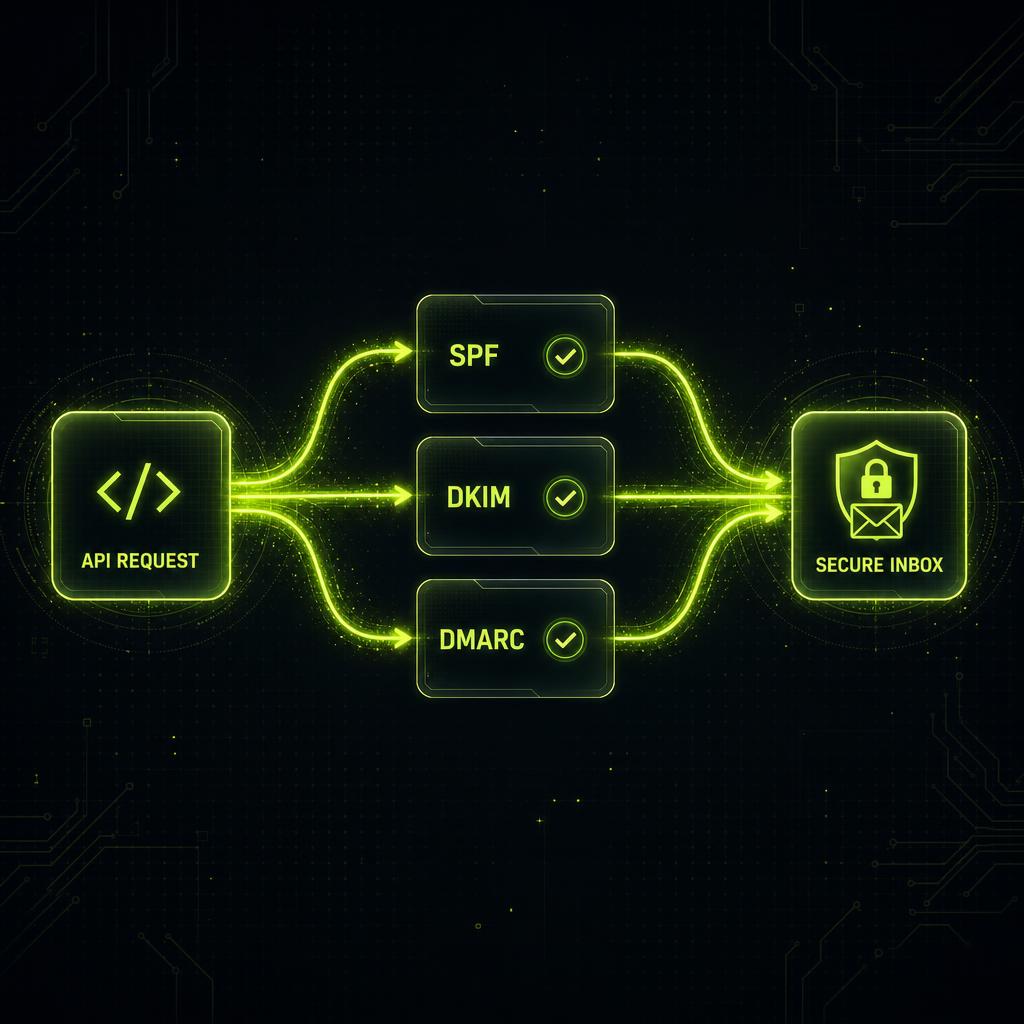
Modern deliverability is not a matter of luck; it is a matter of strict technical compliance. Mailbox providers (Google, Microsoft, etc.) have become increasingly aggressive in filtering unauthenticated traffic. To ensure your transactional email api actually lands in the inbox, your infrastructure must support these three pillars:
1. SPF (Sender Policy Framework)
SPF specifies which mail servers are authorized to send email on behalf of your domain. Without a correctly configured SPF record, your emails are likely to be flagged as unauthorized spoofing attempts.
2. DKIM (DomainKeys Identified Mail)
DKIM adds a digital signature to your emails. This allows the receiver to verify that the email was indeed sent from your domain and that its content hasn't been tampered with during transit.
3. DMARC (Domain-based Message Authentication, Reporting, and Conformance)
DMARC ties SPF and DKIM together. It provides instructions to the receiving server on what to do if an email fails authentication. In 2026, a "p=reject" policy is becoming the gold standard for protecting brand reputation.
Subdomain Separation
A critical mistake many early-stage SaaS companies make is sending all email traffic through a single domain. High-volume marketing campaigns have a different risk profile than transactional alerts. By separating these into subdomains (e.g., app.yourcompany.com for transactional and news.yourcompany.com for marketing), you insulate your critical infrastructure from potential reputation hits caused by marketing fluctuations.
×Generating image, about 1 min

Prioritizing Developer Experience (DX)
Infrastructure is only as good as its ease of integration. A modern transactional email api should offer a clean REST surface that allows developers to trigger emails with minimal code. For teams building in Node.js, Python, or Go, high-quality SDKs are essential to reduce the "time to first hello world."
Mailofly focuses on simplifying this developer journey. Instead of navigating the bloated documentation of legacy providers, developers get access to a streamlined developer email SDK that prioritizes performance metrics over marketing fluff.
Real-time Visibility: Debugging Beyond the Send
In the world of SaaS, "Sent" is not the same as "Delivered." To maintain a high-performance application, you need to know exactly what happens to every byte of data after it leaves your server.
Mail Logs and Webhooks
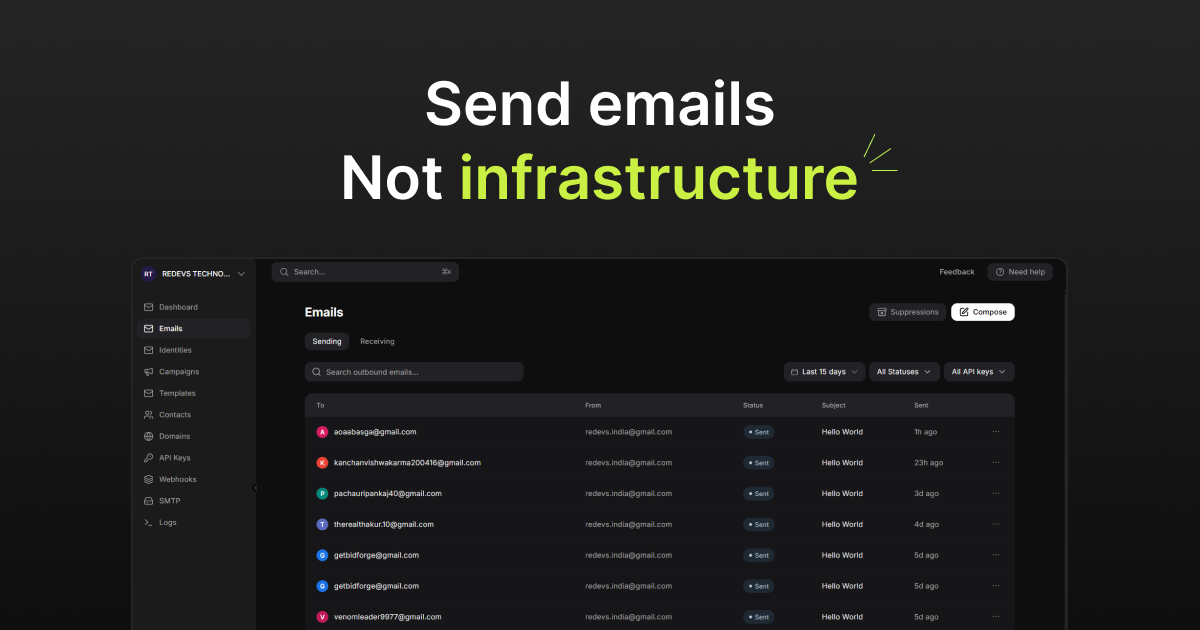
Real-time mail logs are non-negotiable for troubleshooting. When a customer support ticket arrives claiming a missing invoice, your team should be able to instantly check the status—whether it was delivered, opened, or bounced due to a full mailbox.
Webhooks further empower your system by pushing these events back to your application. This allows you to automate workflows, such as notifying a user within your UI if their email address is bouncing, effectively closing the feedback loop before it leads to churn.
Conclusion: Build for Deliverability
Your SaaS deserves infrastructure that works as hard as your code. By integrating a reliable transactional email api, you aren't just sending messages; you are securing your user retention and building a foundation of trust.
Mailofly offers the high-deliverability infrastructure SaaS founders and developers need to scale without the clutter. Experience the difference of AI-assisted sending and real-time visibility today.
Ready to modernize your email infrastructure? Explore Mailofly and start sending with confidence.
***
Frequently Asked Questions
What is a transactional email API?
A transactional email API is a specialized interface that allows developers to programmatically send triggered emails—such as password resets, receipts, and account alerts—directly from their application code with high reliability.
Why shouldn't I use my own SMTP server?
Managing your own SMTP server involves significant overhead in maintaining IP reputation, handling bounces, and staying compliant with evolving ISP requirements. A dedicated service like Mailofly handles these complexities for you, ensuring much higher deliverability rates.
How long does it take to integrate Mailofly?
With our developer-friendly SDKs and clean REST API, most teams can complete a full integration and send their first authenticated transactional email in under 15 minutes.
Does Mailofly support DMARC reporting?
Yes. We emphasize modern infrastructure standards, including full support for SPF, DKIM, and DMARC to protect your domain reputation and ensure your emails reach the inbox.