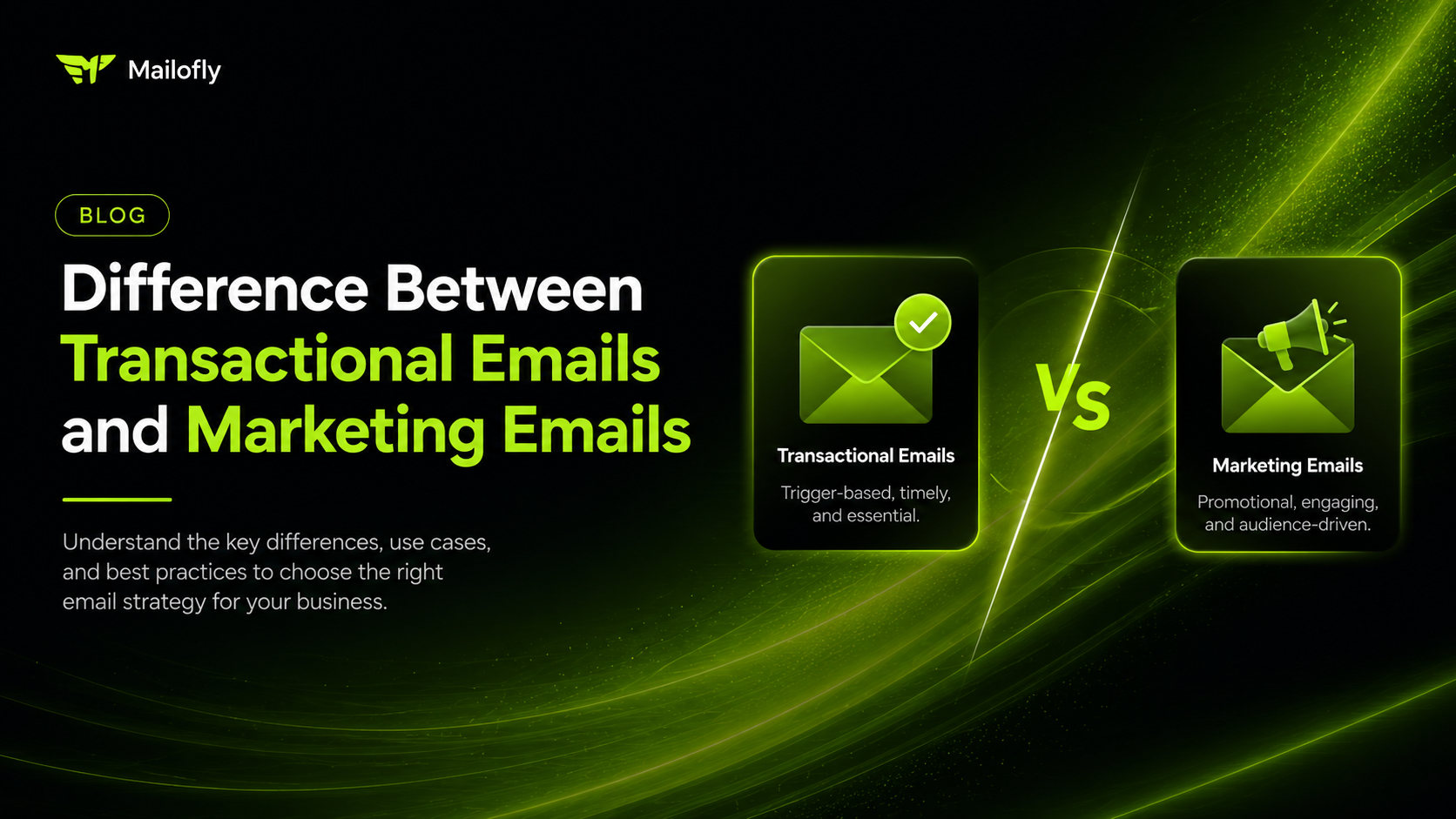
When people hear the word “email marketing,” they often think every business email is the same. But in reality, there are two very different types of emails businesses send every day: transactional emails and marketing emails.
Both are important, but they have different goals.
Some emails are sent because a customer did something, like placing an order or resetting a password. Others are sent to promote products, share offers, or bring customers back.
Understanding the difference can help businesses improve communication, increase trust, and get better results from email campaigns.
What Are Transactional Emails?
Transactional emails are emails that are automatically sent after a user takes a specific action.
These emails are not usually meant to sell something. Their main job is to provide useful information or confirm that something happened.
For example, if you order something from Amazon, you will receive an order confirmation email almost immediately. If you forget your password on Instagram, you will get a password reset email. These are both transactional emails.
Some common examples are:
Order confirmations
Password reset emails
OTP or verification emails
Shipping updates
Payment receipts
Welcome emails
Account alerts
People usually expect these emails, which is why they often have very high open rates.
What Are Marketing Emails?
Marketing emails are very different.
These emails are sent to promote something. The goal is usually to increase sales, get more website visits, encourage sign-ups, or keep customers engaged.
For example, when Nike sends an email about a new shoe collection or a discount offer, that is a marketing email. When a business sends a monthly newsletter or a festive sale campaign, that is also a marketing email.
Some common examples include:
Discount offers
Product launch announcements
Newsletter emails
Holiday sale campaigns
Event invitations
Abandoned cart reminders
Referral offers
Unlike transactional emails, marketing emails are often sent to many people at once.
The Biggest Difference
The easiest way to understand the difference is this:
Transactional emails are sent because the user did something.
Marketing emails are sent because the business wants the user to do something.
For example:
A password reset email is transactional because the user asked for it.
A “20% Off This Weekend” email is marketing because the business wants the user to make a purchase.
One is based on user activity, while the other is based on business promotion.
Why Transactional Emails Get More Opens
Most people open transactional emails because they are important.
If someone just made a payment, they want to see the receipt. If someone requested an OTP, they need that email quickly.
Marketing emails do not always get the same attention because users may not need them at that moment.
That is why businesses have to work harder on marketing emails by using:
Better subject lines
Good timing
Personalization
Useful offers
Audience targeting
A boring marketing email is easy to ignore. A transactional email is usually opened because the user is already waiting for it.
Can Transactional Emails Include Promotions?
Yes, but only a little.
Many businesses add a small promotional section inside transactional emails.
For example, an order confirmation email may also recommend similar products, offer a discount for the next purchase, or ask the user to download the app.
However, the main purpose of the email should still remain transactional. If the email becomes too focused on promotion, it may no longer be considered a true transactional email.
Why Businesses Need Both
Businesses should not choose one over the other. They need both.
Transactional emails help create a better customer experience. They keep users informed and build trust.
Marketing emails help businesses grow. They bring back customers, increase sales, and keep people connected with the brand.
When used correctly together, they create a strong email strategy.
Transactional emails keep customers updated.
Marketing emails keep customers interested.